Lesson 2.2 — Traditional Forecasting vs AI Forecasting
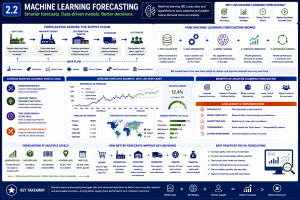 Lesson 2.2 — Traditional Forecasting vs AI Forecasting
Traditional Forecasting Approaches
Historically, many organisations relied on:
- Historical averages
- Moving averages
- Manual planner judgement
- Spreadsheet models
- Static forecasting rules
These approaches often have limitations:
- Heavy reliance on historical assumptions
- Slow response to change
- Limited data processing capability
- Human bias
- Difficulty managing complex demand patterns
Traditional forecasting often assumes that future demand will behave similarly to the past.
Modern supply chains rarely behave this predictably.
AI Forecasting Approaches
AI forecasting systems use:
- Machine learning
- Predictive analytics
- Pattern recognition
- Automated model selection
- Continuous learning algorithms
AI systems analyse:
- Historical demand
- Promotions
- Weather data
- Economic indicators
- Social media trends
- Supplier performance
- Web traffic
- Customer behaviour
- Transport disruption data
Unlike static spreadsheets, AI systems continuously adapt and improve.
For example:
A traditional forecasting spreadsheet may simply average the previous 12 months of sales.
An AI forecasting engine may simultaneously analyse:
- Regional weather patterns
- School holidays
- Fuel prices
- Competitor promotions
- Historical buying behaviour
- Online search activity
- Supply disruption signals
This allows significantly more intelligent forecasting decisions.